
Essential Knife Skills Every Home Cook Should Master
Learn the handful of knife cuts, the safe grip, and the one habit that make weeknight cooking faster, calmer, and genuinely safer.
 Marco Devlin
The library
Every guide we've published, newest first. 34 in-depth articles on cooking basics, recipes, baking, and meal prep.
Learn the handful of knife cuts, the safe grip, and the one habit that make weeknight cooking faster, calmer, and genuinely safer.
Marco Devlin
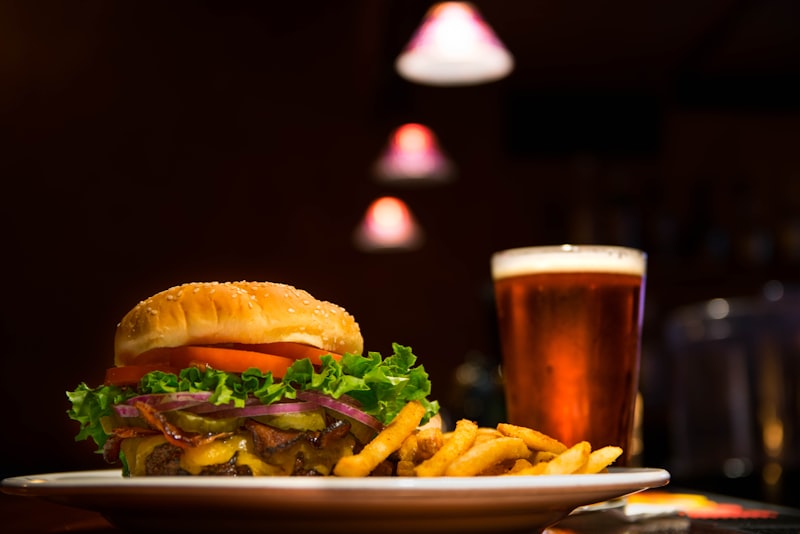
Stop hunting for recipes every night. Learn a few flexible dinner templates, smart pantry staples, and 30-minute thinking that gets real food on the table fast.
 Sam Okonkwo
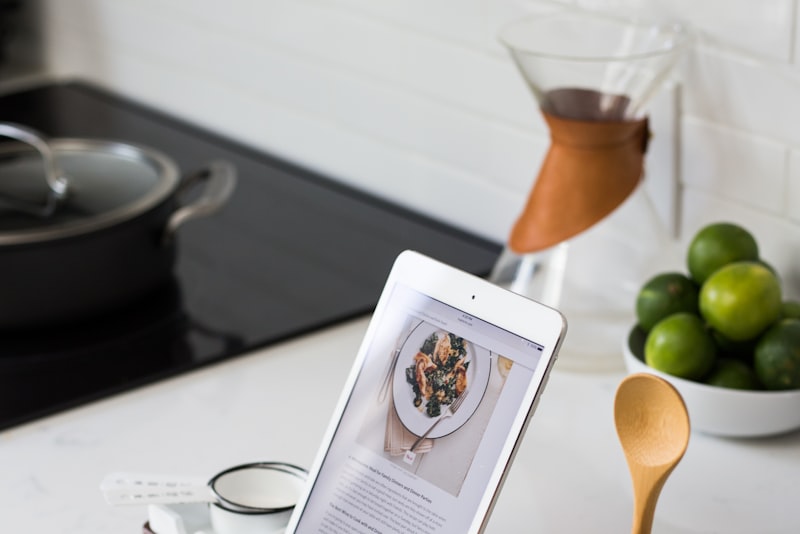
Baking feels intimidating because it looks like chemistry, but a few simple habits — reading the whole recipe, weighing, and warming your ingredients — make it forgiving and friendly.
 Priya Raman
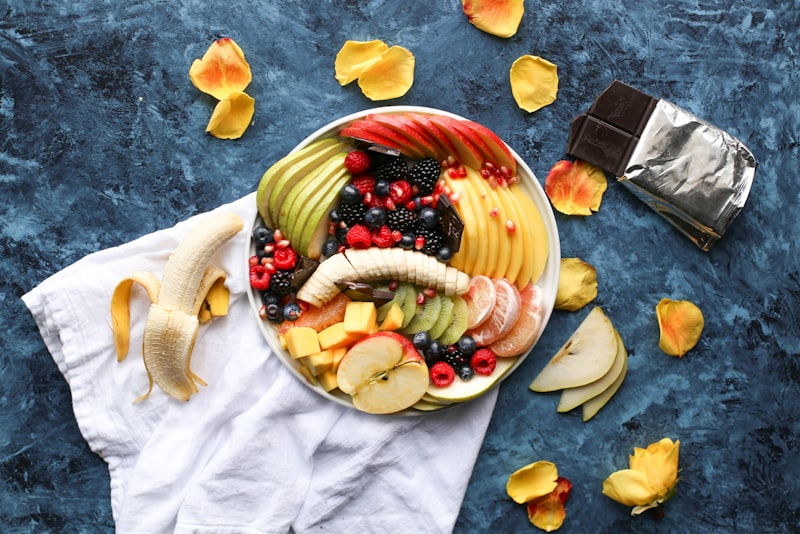
A simple, sustainable meal-planning system built around real life. Plan to your week, lean on a few anchor meals, and write a shopping list that matches what you'll actually cook.
Sam Okonkwo
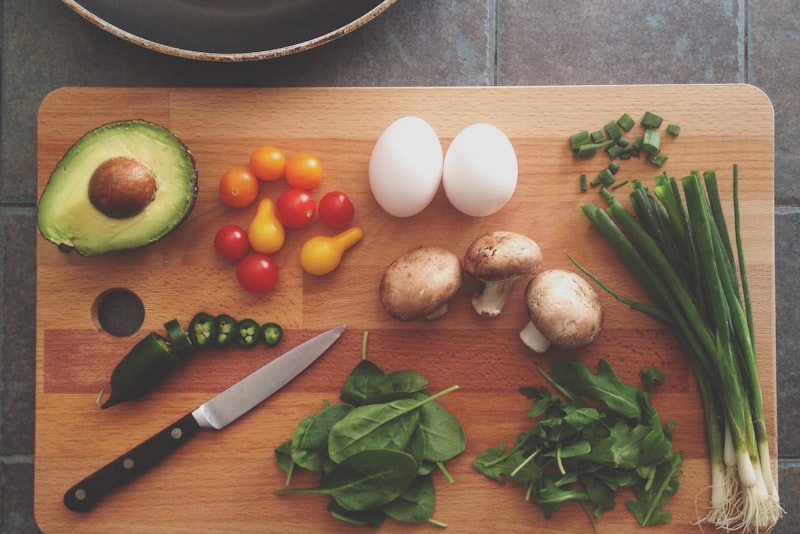
Salt in layers, taste as you go, and learn how acid and fat finish a dish — the single skill that closes the gap between fine and unforgettable.
Marco Devlin
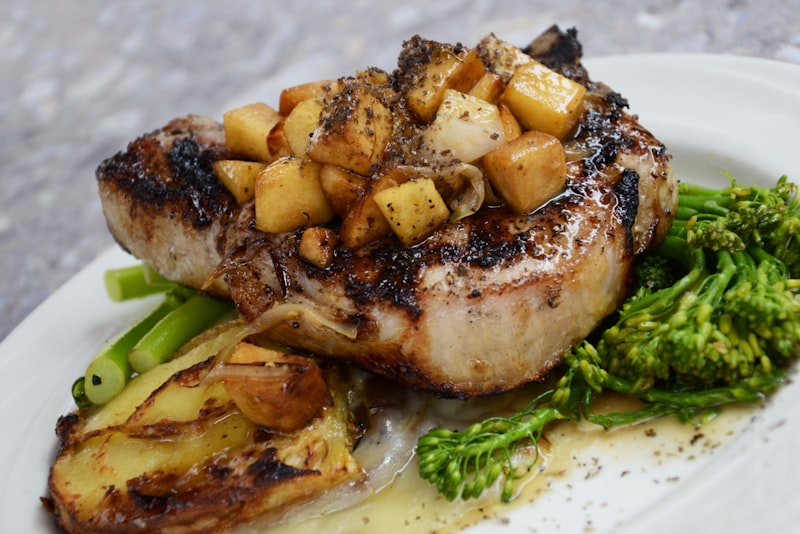
Why sheet-pan and skillet dinners work so well, how to build one by timing ingredients to their cook time, and easy combinations that mean far less washing up.
Sam Okonkwo
Real bread asks for only four ingredients and a willingness to wait. Here's a friendly walk through what flour, water, salt, and yeast actually do — and why time does most of the work.
Priya Raman
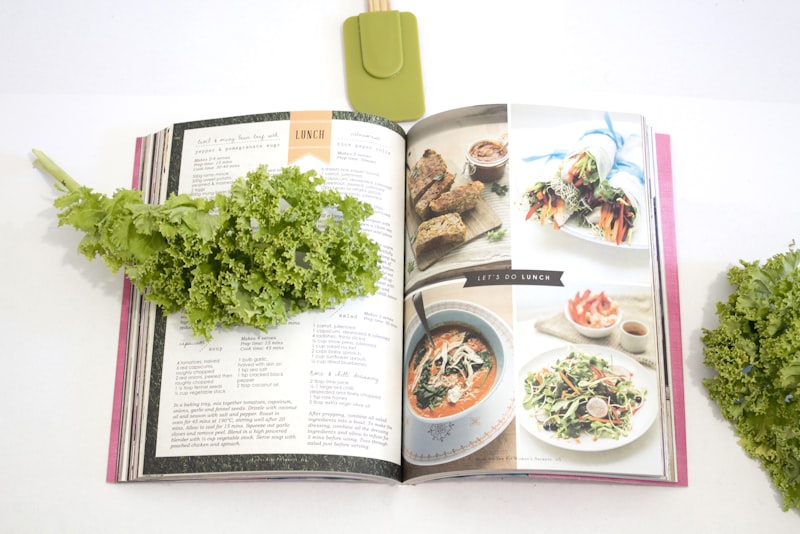
Cook once, eat all week — without the Thursday burnout. Learn to batch components instead of whole meals, what actually freezes well, and how to cool and store food safely.
Sam Okonkwo
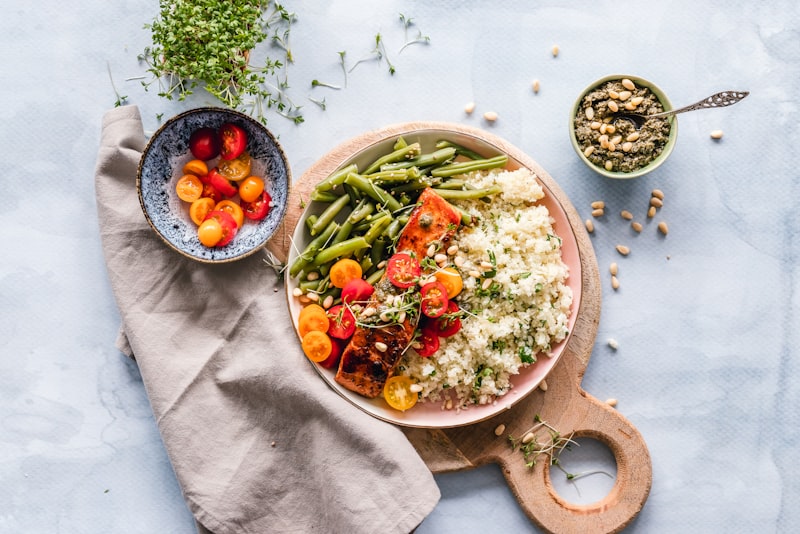
Sauté, roast, sear, boil, steam, braise — understand the two families of heat and you'll know which method any ingredient is asking for.
Marco Devlin
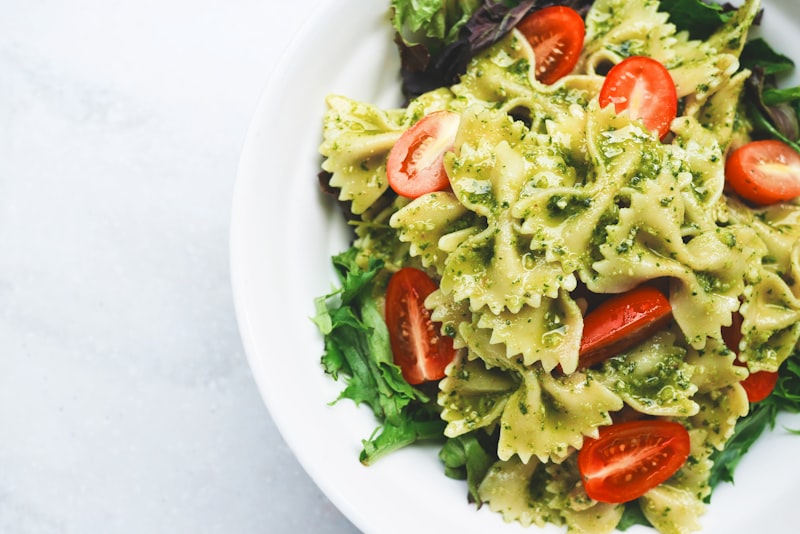
Four techniques separate flat, watery pasta from glossy, restaurant-quality plates: salt the water, save the pasta water, emulsify the sauce, and don't drown it.
Marco Devlin
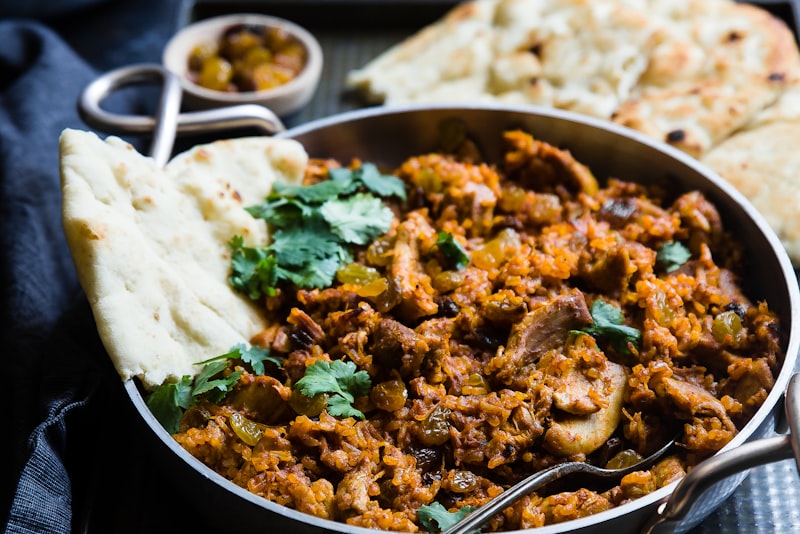
A flat, dense cake almost always has a findable cause — old leavening, an overmixed batter, a lying oven. Here's how to diagnose what went wrong without blaming yourself.
Priya Raman
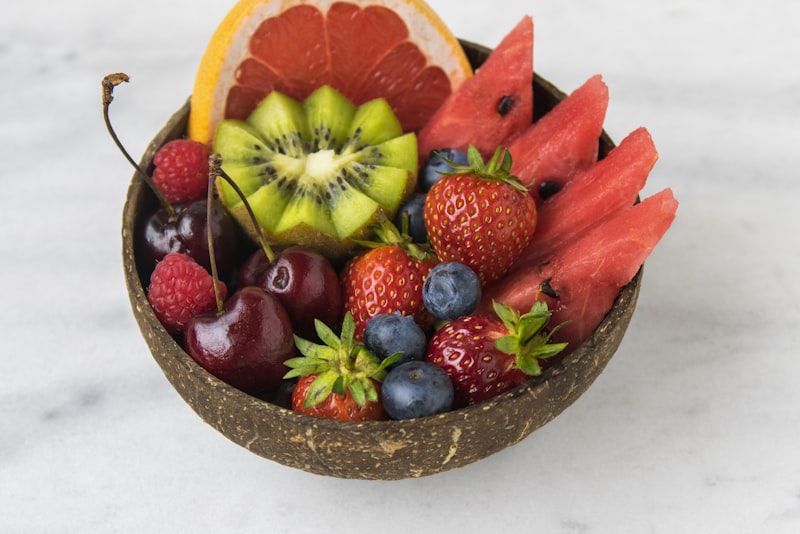
Store food so it stays safe and lasts longer. Learn the fridge zones, the danger zone to avoid, why airtight containers matter, and how to freeze the right way.
Sam Okonkwo
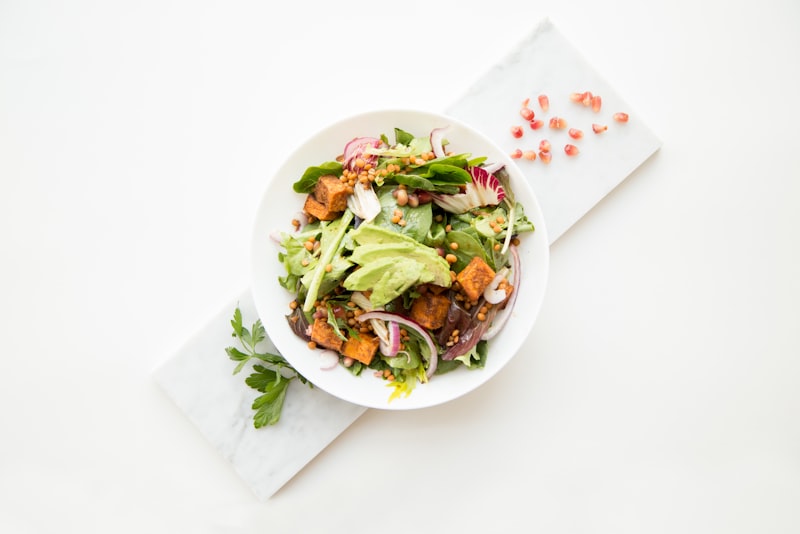
Stop hunting for recipes. Learn the protein + veg + starch + sauce formula and you can build a satisfying meal from whatever's in your kitchen.
Marco Devlin
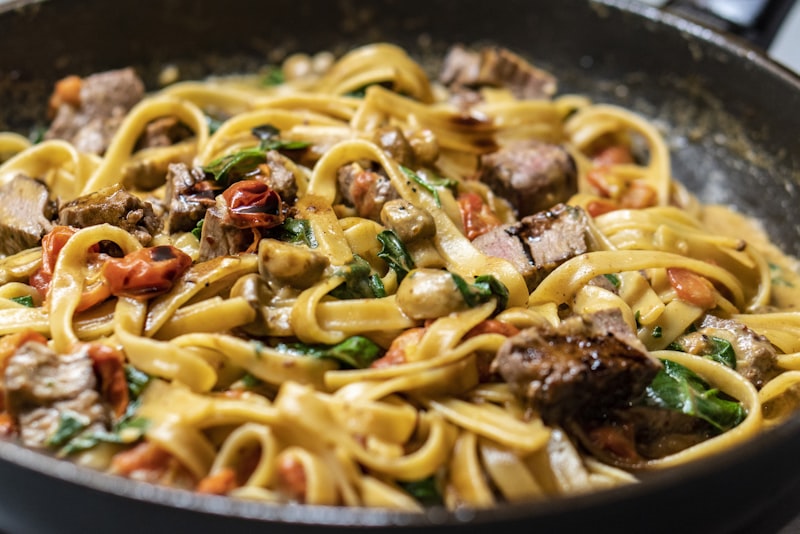
Foolproof rice every time using the absorption method: the right rough ratio, why you rinse, how to rest it, and quick fixes for the usual mistakes.
Marco Devlin
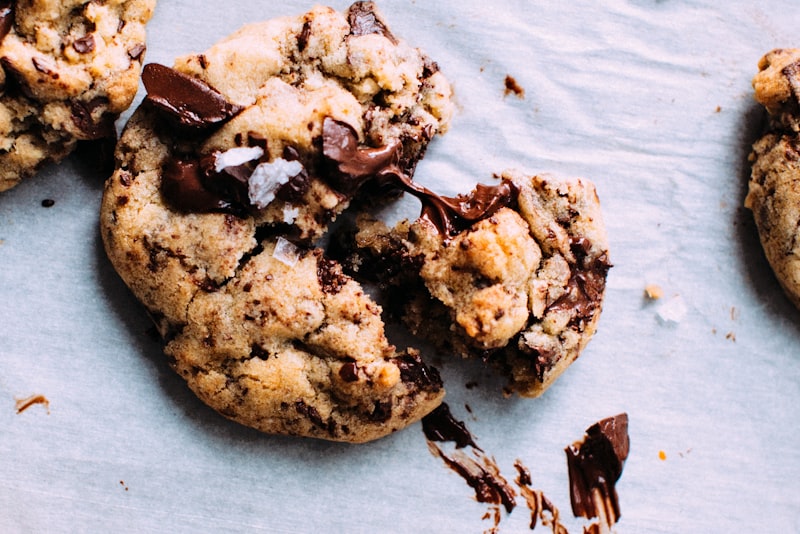
Cups are inconsistent in ways that quietly ruin bakes. A simple kitchen scale gives you the one thing baking craves — consistency — and getting started takes about five minutes.
Priya Raman

Eat well for less with cheap, nourishing staples, cooking from scratch, planning to the sales, and stretching proteins. Real strategies from a lifelong budget cook.
Sam Okonkwo
Skip the gadgets. A short list of genuinely essential tools, why decent-not-fancy is the smart buy, and how to care for a knife and your pans.
Marco Devlin
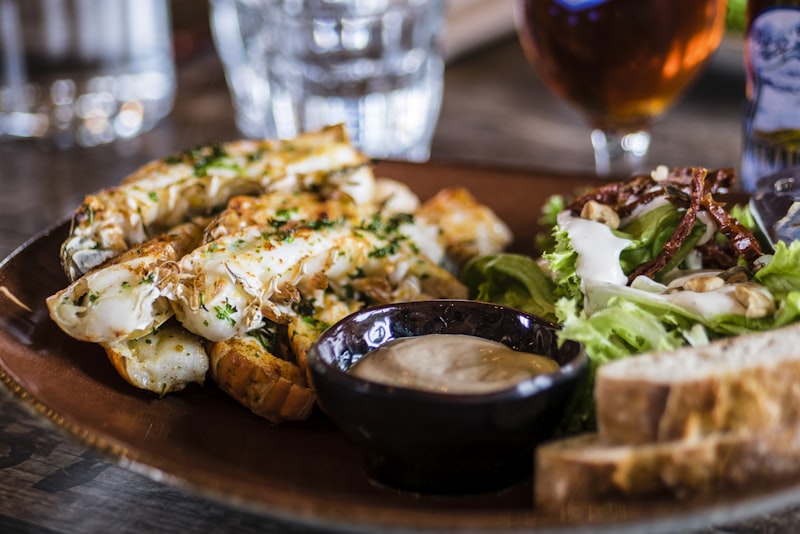
A forgiving, batch-friendly formula for soups and stews: sauté the base, build the body, simmer low, and finish bright. Learn the shape and improvise forever.
Sam Okonkwo
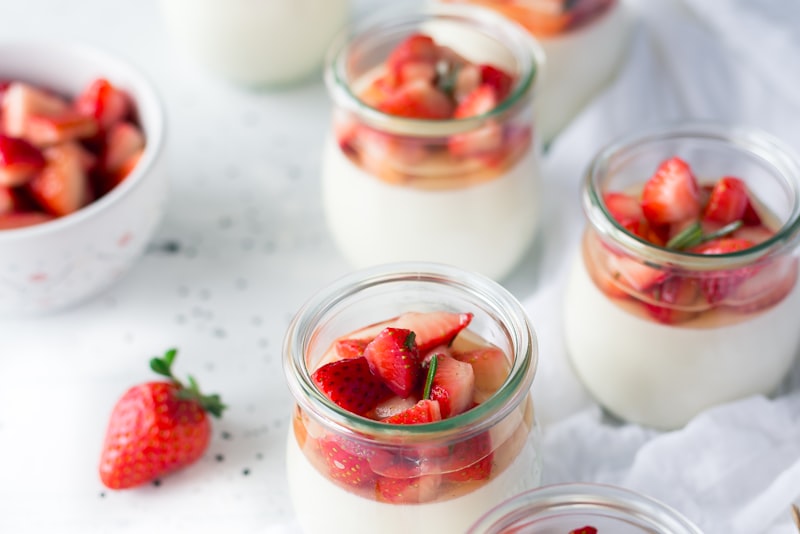
Chewy or crisp, thick or thin — a cookie's texture comes down to a few adjustable levers: butter temperature, sugar choice, chilling, and bake time. Learn to dial them in.
Priya Raman
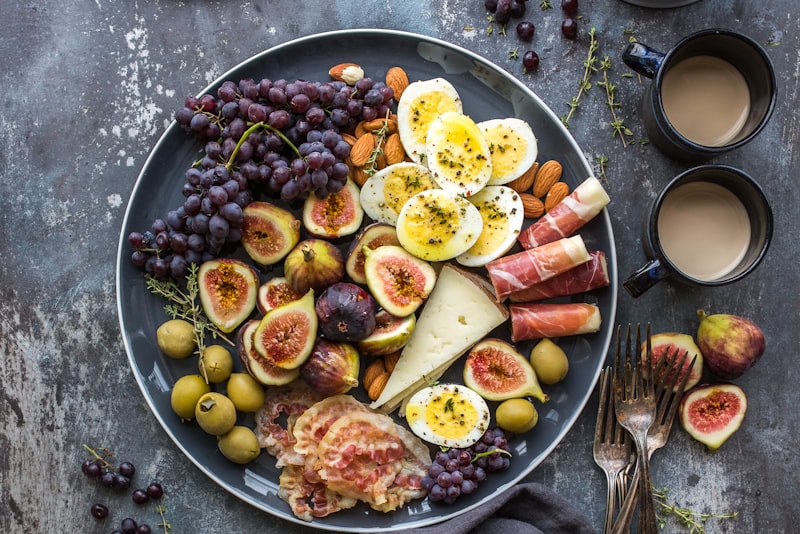
Throw away less food with simple habits: shop your fridge first, cook use-it-up meals, store produce right, read date labels correctly, and freeze before food turns.
Sam Okonkwo
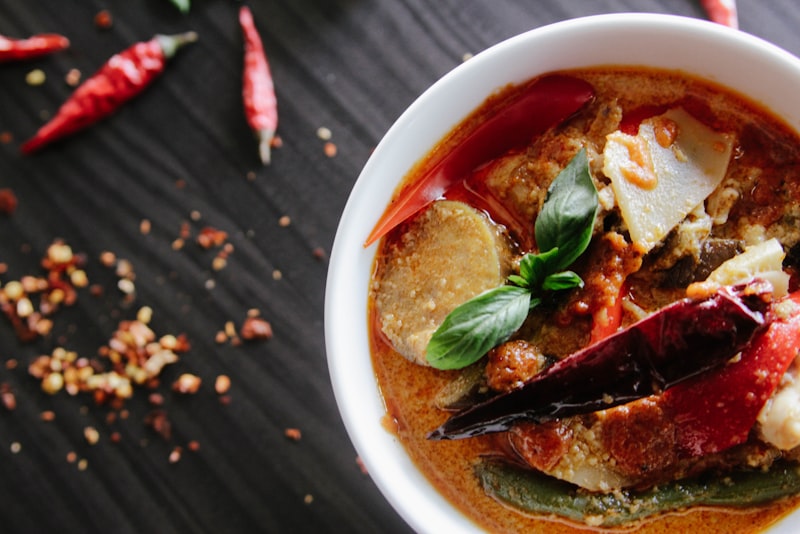
Layer browning, aromatics, deglazing, umami, and a final hit of acid to turn everyday ingredients into food that tastes like you fussed for hours.
Marco Devlin
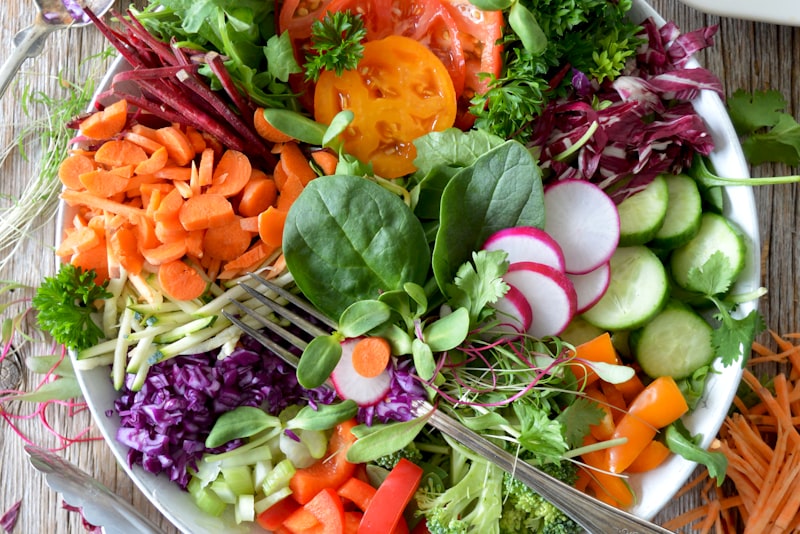
Stop boiling vegetables into sadness. Learn how roasting, smart seasoning, and reading doneness cues turn the side dish into the best thing on the plate.
Marco Devlin
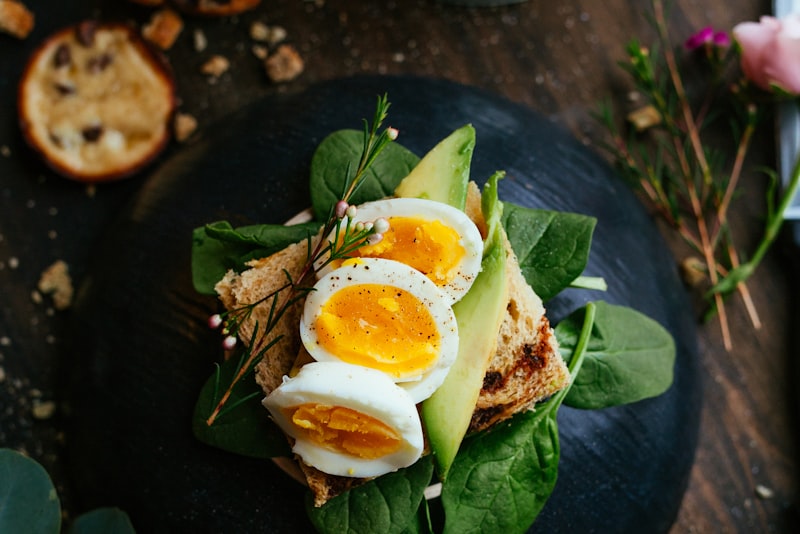
Flour, sugar, fat, eggs, leavening, salt — every core baking ingredient has a job. Understand those jobs and substitutions stop being guesswork and start making sense.
Priya Raman
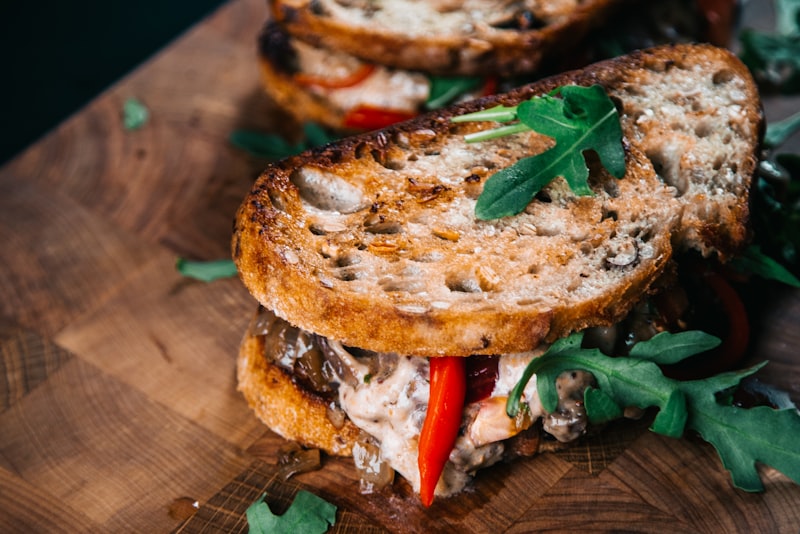
Build a pantry that means you can always make something. Versatile staples, how to build it over time without breaking the bank, and keeping it rotated with FIFO.
Sam Okonkwo
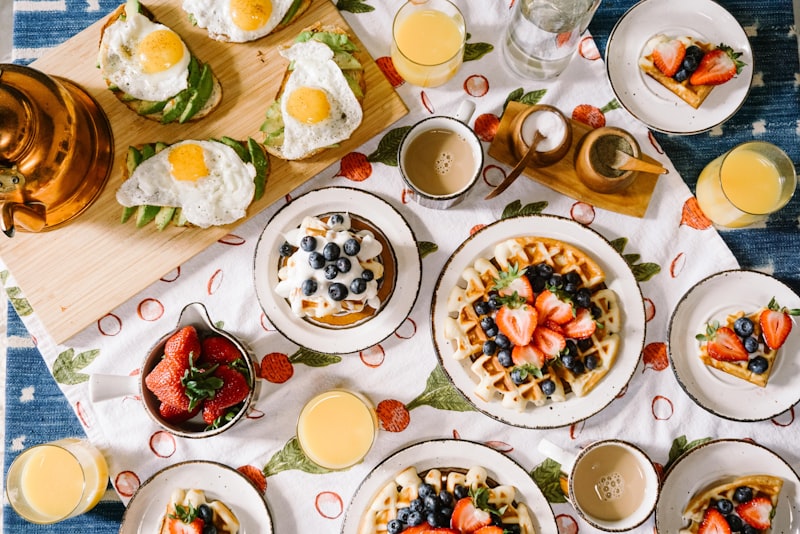
Preheat the pan, pick the right fat, give your food room, and leave it alone. The simple habits behind golden, crispy sautéing and pan-frying at home.
Marco Devlin
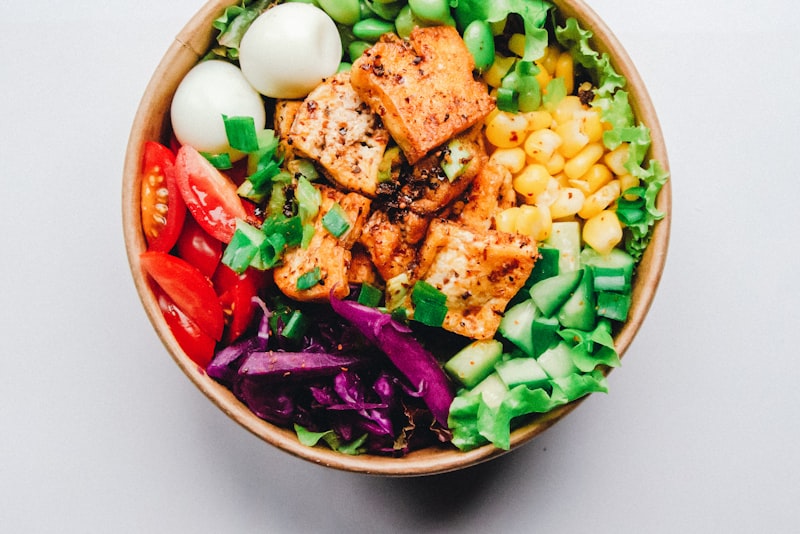
Three reliable ways to cook chicken at home — pan, roast, and poach — plus the safe handling and internal temperature that keep it juicy and safe.
Marco Devlin
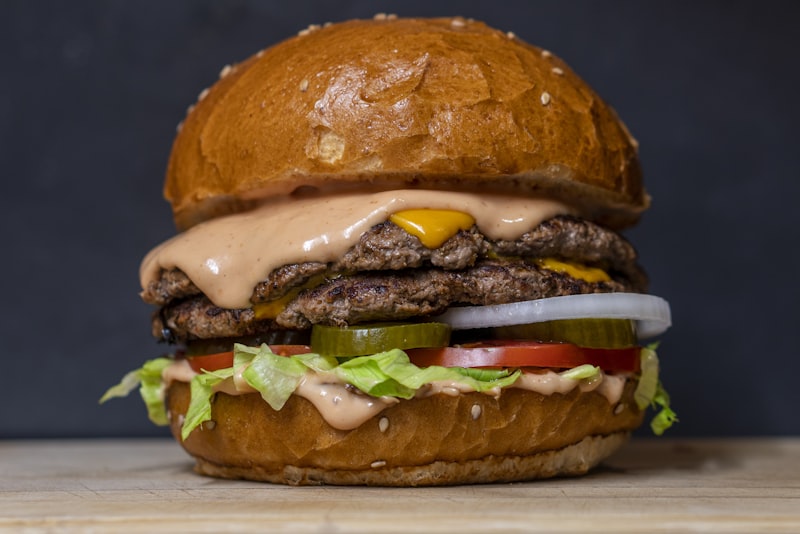
No-knead bread is the gentlest way into real baking: a slack dough, a long slow rise, and a screaming-hot pot turn four ingredients into a bakery-worthy loaf with almost no effort.
Priya Raman
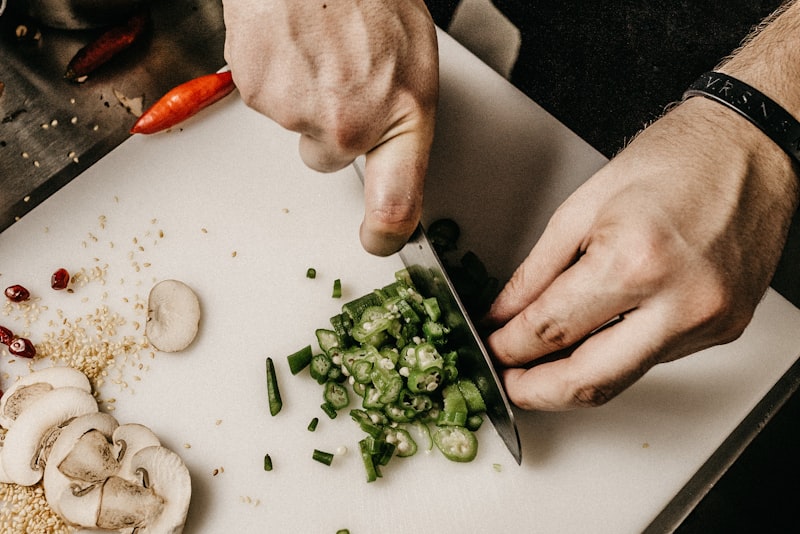
Freezer cooking that doesn't disappoint. What freezes well and what doesn't, how to package against freezer burn, why labeling matters, and how to thaw safely.
Sam Okonkwo
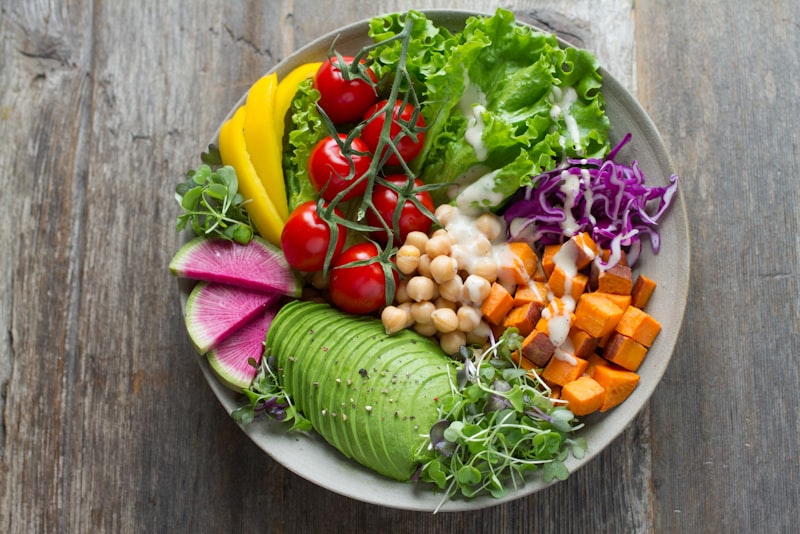
Why temperature is the most important tool in your kitchen — safe internal temps for meat, poultry, eggs, and seafood, plus when to go low, when to go high, and why resting matters.
Marco Devlin
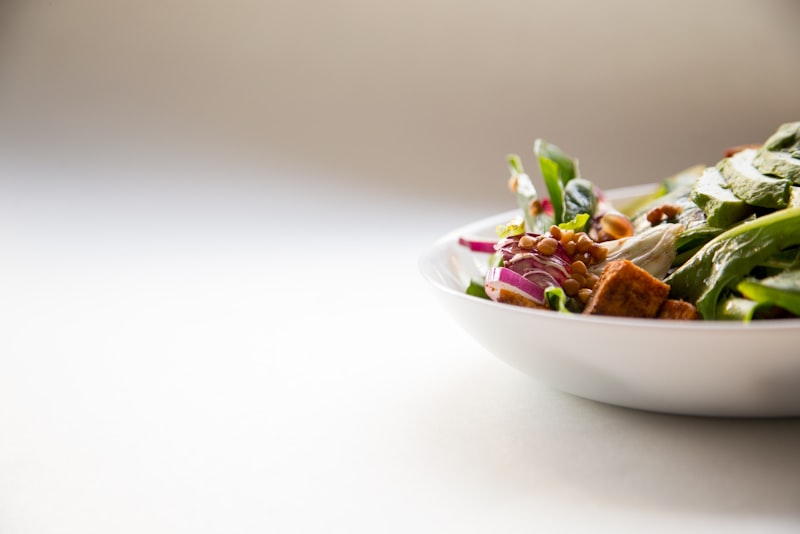
Fast, filling breakfasts on a budget — make-ahead oats, eggs done right with safe handling, and simple combos that beat a granola bar in the car.
Sam Okonkwo

The best easy desserts lean on a handful of forgiving techniques — no-bake assembly, fruit treated well, and one reliable formula — so you can make something lovely without nerves.
Priya Raman
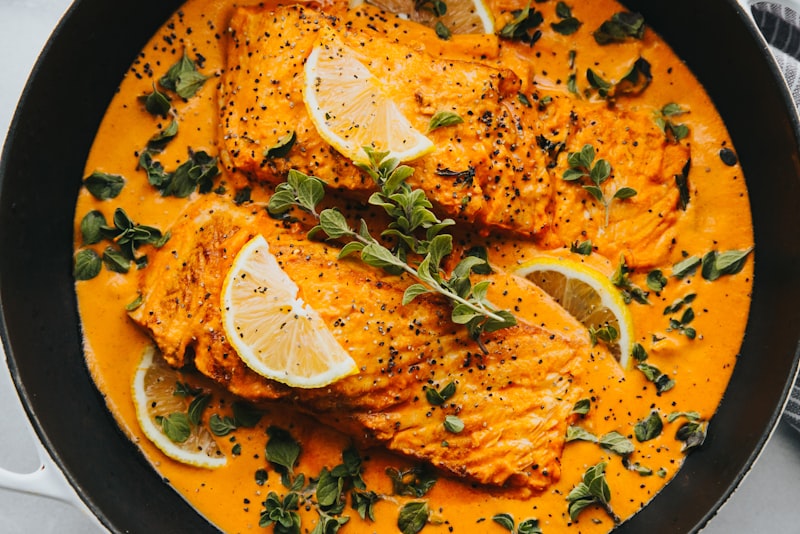
Simple, sustainable habits for eating well: more plants, more home cooking, balance over restriction, and portion sense. General lifestyle info, not medical or dietary advice.
Sam Okonkwo
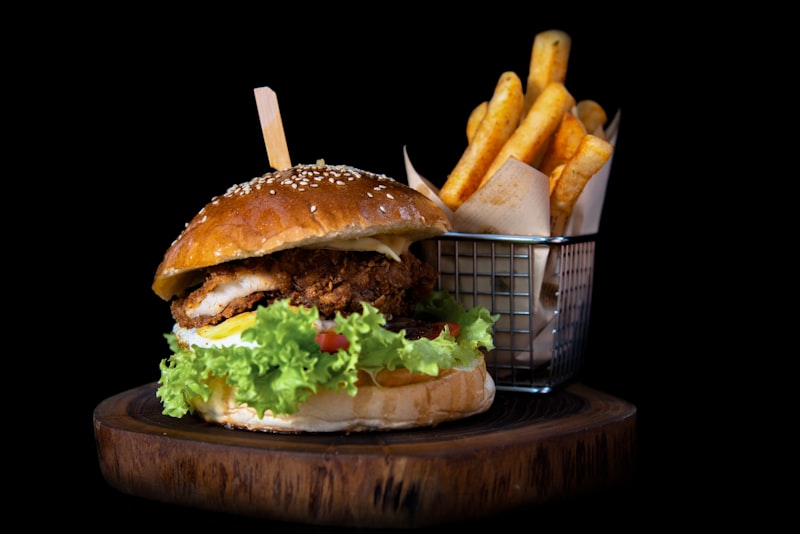
The pro habit that saves dinner — taste as you cook and balance salt, acid, sweet, heat, and fat so every dish lands exactly right before you serve it.
Marco Devlin
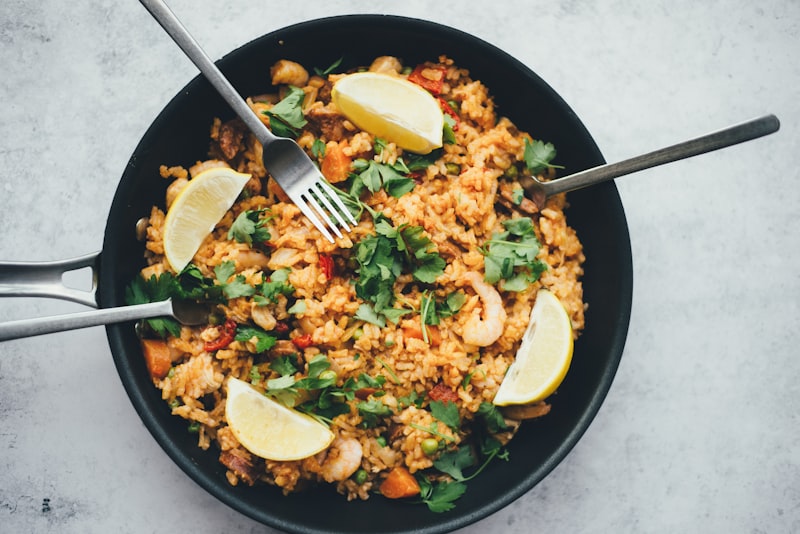
A great salad isn't rabbit food. Learn to build a real dressing, layer texture and contrast, salt with intention, and go far beyond a bowl of lettuce.
Marco Devlin