Not every dessert needs to be a project. Some of the most satisfying sweet things I make have no recipe card at all — just a technique or two and good ingredients treated with a little respect. If you've been avoiding making dessert because it feels like it requires a free afternoon and steady nerves, let me change your mind. The easiest desserts aren't lesser desserts. They're often the ones that earn the most delighted reactions, precisely because they let real flavors shine without burying them in fuss.
Here's the thing that took me years to fully appreciate: simple done well beats complicated done anxiously, every single time.
Skip the oven entirely#
The single biggest source of dessert stress is the oven — that hot box where things can over- or under-bake while you stand by helplessly. So the most beginner-friendly move is to simply not use it. No-bake desserts sidestep the whole gamble.
Think of the genre: chilled puddings and mousses set in the fridge, fruit fools folded together in a bowl, icebox cakes layered and left to soften overnight, crumbly bases pressed into a pan and chilled firm. None of these ask you to judge doneness through oven glass. You assemble, you chill, you serve. The fridge is a far more patient and predictable cook than the oven, and it never burns anything.
The fastest way to make dessert less stressful is to remove the one variable that causes the most stress — the oven — and let the refrigerator do the quiet work instead.
No-bake desserts also shine in summer, when nobody wants to heat the kitchen, and they're forgiving of timing because most of them are happy to wait in the fridge until you're ready. Make them ahead, breathe easy, and pull them out when company arrives.
Treat fruit like it matters#
If you want a dessert that's almost effortless yet tastes like you tried, learn to handle fruit well. Ripe, good fruit barely needs you — but two small techniques make it sing.
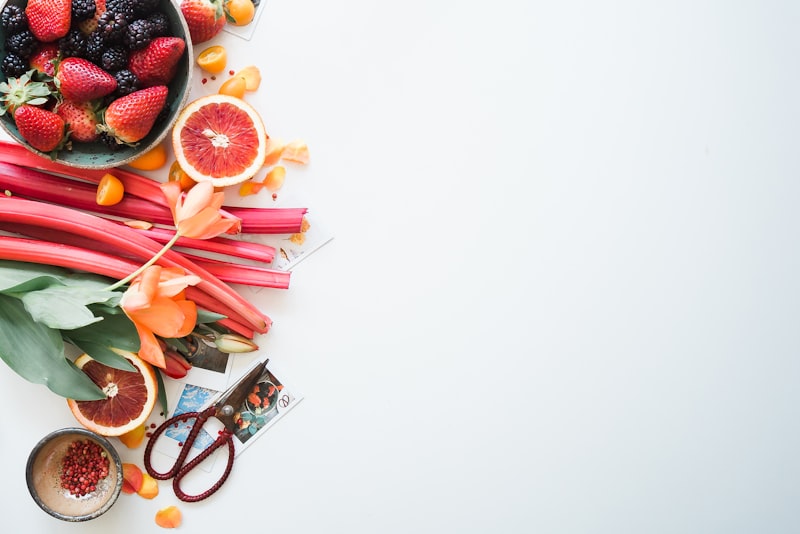
The first is macerating, which sounds fancy and takes thirty seconds. Toss sliced strawberries, peaches, or any juicy fruit with a spoonful of sugar and let them sit for fifteen or twenty minutes. The sugar pulls moisture out of the fruit through osmosis, creating a glossy, intense syrup right in the bowl while concentrating and brightening the fruit's own flavor. A squeeze of citrus or a pinch of zest lifts it further. Suddenly plain berries become something you'd happily spoon over anything.
The second is a little heat, briefly. Gently warming fruit with a touch of sugar — a quick stovetop compote of berries, or apples softened in a pan — deepens and caramelizes the flavor. Spoon that warm over something cold and you've got contrast, which is half of what makes dessert feel special. Hot and cold, soft and crisp, sweet and tart: contrast is the easy cook's secret weapon.
Recipes are wonderful, but formulas are better, because a formula flexes with whatever you have on hand. Here's one I'd hand every beginner — three components you can assemble endlessly:
- Something soft and creamy — softly whipped cream, thick yogurt, a spoonful of mascarpone, or a simple no-cook custard.
- Something fruity and bright — those macerated berries, a quick compote, or just ripe fruit cut up.
- Something with crunch — crushed cookies, toasted nuts, a crumble of granola, a shard of toffee.
Layer those three in a glass and you have a parfait. Fold them loosely and you have a fool. Pile them on a plate and you have a deconstructed something-or-other that looks intentional. The components change with the season and your pantry, but the formula holds, which means you're never actually caught without dessert. That's the freedom a formula buys you over a single rigid recipe.
A note on whipping cream#
Softly whipped cream anchors so many of these that it's worth a word. Whip cold cream (it whips better cold) until it holds soft, droopy peaks — and then stop. The most common mistake is going too far, past pillowy into grainy and eventually into butter. Soft peaks are the sweet spot: luscious, spoonable, not stiff. A touch of sugar and vanilla is plenty. Underwhip slightly rather than over; you can always give it a few more strokes, but you can't un-whip it.
A few honest cautions#
Even easy desserts deserve a little care, so let me be straight with you.
Some classic no-cook desserts — certain mousses, fresh custards, and homemade ice creams — traditionally use raw or barely-cooked eggs, which can carry bacteria. If you go that route, handle eggs safely: keep them cold, wash your hands and tools after cracking them, and don't leave egg-based mixtures sitting at room temperature. For peace of mind, you can choose recipes that gently cook the eggs to a safe temperature or use pasteurized eggs, and anything dairy- or egg-based should be refrigerated promptly and eaten within a sensible window. Don't taste raw doughs or batters containing raw flour or eggs, either.
And the standing reminder that applies to everything I write: this is general culinary guidance, not dietary or medical advice. These desserts lean heavily on common allergens — dairy, eggs, and often nuts and wheat — so if allergies or any health condition are in play, that's a conversation for a doctor or a registered dietitian, not a recipe.
None of these techniques requires an oven thermometer or a scale, which is part of their charm — but if you do venture into a baked easy dessert, the usual advice returns: weigh what you can, watch for doneness cues rather than trusting the clock, and remember ovens vary.
The real lesson here is that dessert doesn't have to be hard to be good. Macerate some fruit, whip some cream just to soft peaks, add a little crunch, and you've made something people will genuinely love — with no oven, no stress, and about ten minutes of actual effort. Keep these few tricks in your back pocket and you'll always have a way to end a meal on a high note. Go treat some fruit well tonight. That's all it takes.