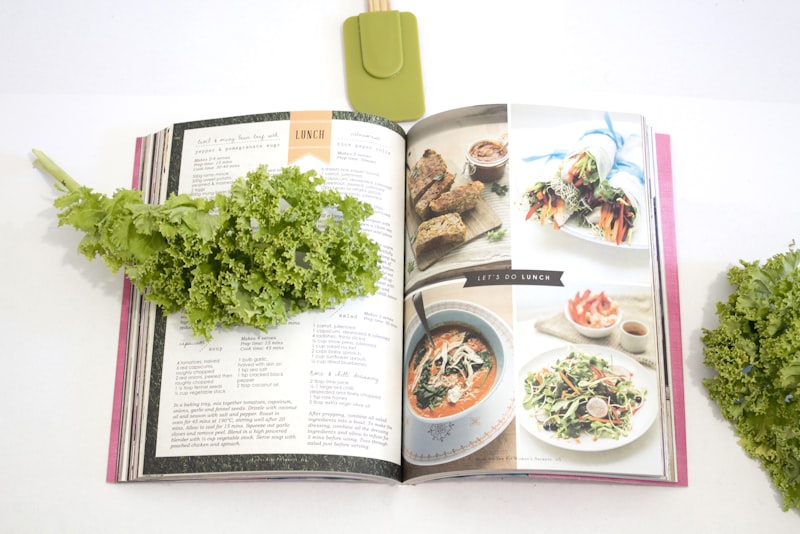
I have made beautiful meal plans. Color-coded, balanced, ambitious. And then Wednesday arrived with a late meeting and a kid who suddenly hated everything green, and that gorgeous plan went straight in the recycling along with a sad, slimy bunch of cilantro I never touched.
So let me save you that particular heartbreak. A meal plan isn't a contract. It's a rough sketch that keeps you from staring into the fridge at 6 p.m. with no idea what's for dinner. The goal isn't perfection — it's a week where you cook more than you panic.
Start with your actual week, not your dream week#
Before you write a single recipe down, look at the seven days ahead. How many nights will you genuinely be home and able to cook? For a lot of us that's four, maybe five. Not seven. Trying to plan a home-cooked meal for every single night is the fastest way to burn out and bail entirely.
So count honestly. Tuesday is soccer practice and everyone eats in shifts. Friday you're worn out and that's a pizza night, and that's fine. Once you know you're really planning for, say, four dinners, the whole thing stops feeling like a marathon.
This is the part most planning advice skips, and it's the part that actually makes it stick.
Lean on a few anchor meals#
Here's the trick that changed everything for me: you don't need a brand-new recipe every night. You need a small rotation of anchor meals — dishes you can make almost without thinking, that your household reliably eats, that don't require a special trip.
Mine look something like this:
- A sheet-pan dinner (protein plus whatever vegetables are wilting)
- A big pot of something — chili, soup, a curry, a pasta sauce
- Tacos or some kind of "build your own" bowl
- Breakfast-for-dinner when I'm truly out of energy
Notice these aren't recipes so much as templates. Sheet-pan chicken one week, sheet-pan sausage and peppers the next. The structure stays; the details flex with what's cheap and what's in the fridge. That flexibility is what lets a plan bend instead of break.
A meal plan that you'll actually follow on a tired Wednesday beats a perfect one you abandon by Tuesday lunch.
When you're choosing the week's meals, pick two or three anchors and maybe one slightly newer thing if you've got the energy. Don't load the week with four unfamiliar recipes. That's a plan for a different, more rested person than the one who has to cook it.
Write the list straight off the plan#
Once the meals are down, the shopping list writes itself — and this is where the money and the food waste get handled.
Go meal by meal. Tacos need tortillas, ground turkey, an onion, a can of beans. Sheet-pan dinner needs chicken thighs and a couple pounds of vegetables. Write down exactly what each meal requires, then cross off anything you already have. That last step matters. Go look in the pantry. You probably own more rice and canned tomatoes than you think.
The reason to build the list this way is simple: you buy what you'll cook, and you cook what you bought. No mystery zucchini bought "just in case" that turns to mush in the crisper drawer. Every item on the list has a job.
A quick word on portions and leftovers#
When you're planning, decide on purpose whether you want leftovers. Cooking a double batch of chili so Thursday's lunch is handled is one of the great quiet wins of home cooking. But if you cook a big pot of food and then ignore it, you've just made expensive compost.
If you're banking leftovers, cool them down and get them in the fridge promptly — within about two hours of cooking — and label the container with what it is and the date. Future You, peering into the fridge, will be grateful for that little piece of tape. (General food-safety good practice; when in doubt about anything spoiled, throw it out.)
Leave a night for chaos#
Build one flexible slot into every week. Call it the wild-card night. Maybe it's leftovers, maybe it's eggs and toast, maybe the week fell apart and it's takeout and zero guilt.
This isn't laziness — it's insurance. Life happens mid-week, and a plan with no give in it snaps. A plan with a built-in escape hatch survives. When the unexpected hits, you slide the wild-card night into place and the rest of your week stays intact instead of toppling like dominoes.
Make the plan visible and keep it loose#
Put your plan somewhere you'll see it — the fridge door, a whiteboard, a note on your phone. Out of sight, out of mind, back to the 6 p.m. fridge stare.
And let it be loose. If Monday's soup sounds wrong on Monday, swap it with Thursday's tacos. The plan is a menu of options for the week, not a fixed schedule you've sworn an oath to. Some of the best home cooks I know "plan" by simply deciding on five meals and cooking them in whatever order feels right each evening.
Start smaller than you think you should. Plan three dinners this week. Just three. Get a feel for the rhythm — the honest headcount, the anchor meals, the matching list — and let it grow from there. A meal-planning habit you keep is worth infinitely more than a perfect system you quit.
The whole point is to spend less energy deciding and more energy actually eating something good. Do that even a few nights a week and you're already winning.