Most cooking confusion disappears the moment you understand one idea: nearly every technique in the kitchen belongs to one of two families. Dry heat or wet heat. That's it. Once you can sort a method into the right bucket, you stop memorizing recipes and start understanding why they tell you to do what they do.
I learned these methods one station at a time in professional kitchens, but you don't need that grind. You need a clear map. So let's draw one — what each method does, what it's good for, and how to pick the right one without a recipe holding your hand.
Dry Heat: Where Browning Lives#
Dry-heat methods cook food with hot air, hot metal, or radiant heat — no liquid involved. The payoff is browning, that deep, savory, slightly crisp transformation that happens when food gets hot enough at the surface. Browning is flavor you can't get any other way, which is why dry heat tends to produce the boldest, most crave-able results.
The trade-off is that dry heat can dry food out if you overdo it. High heat plus a long time equals a sad, leathery chicken breast. So with dry heat, you're managing a balance: enough heat to brown the outside before the inside overcooks.
Sear#
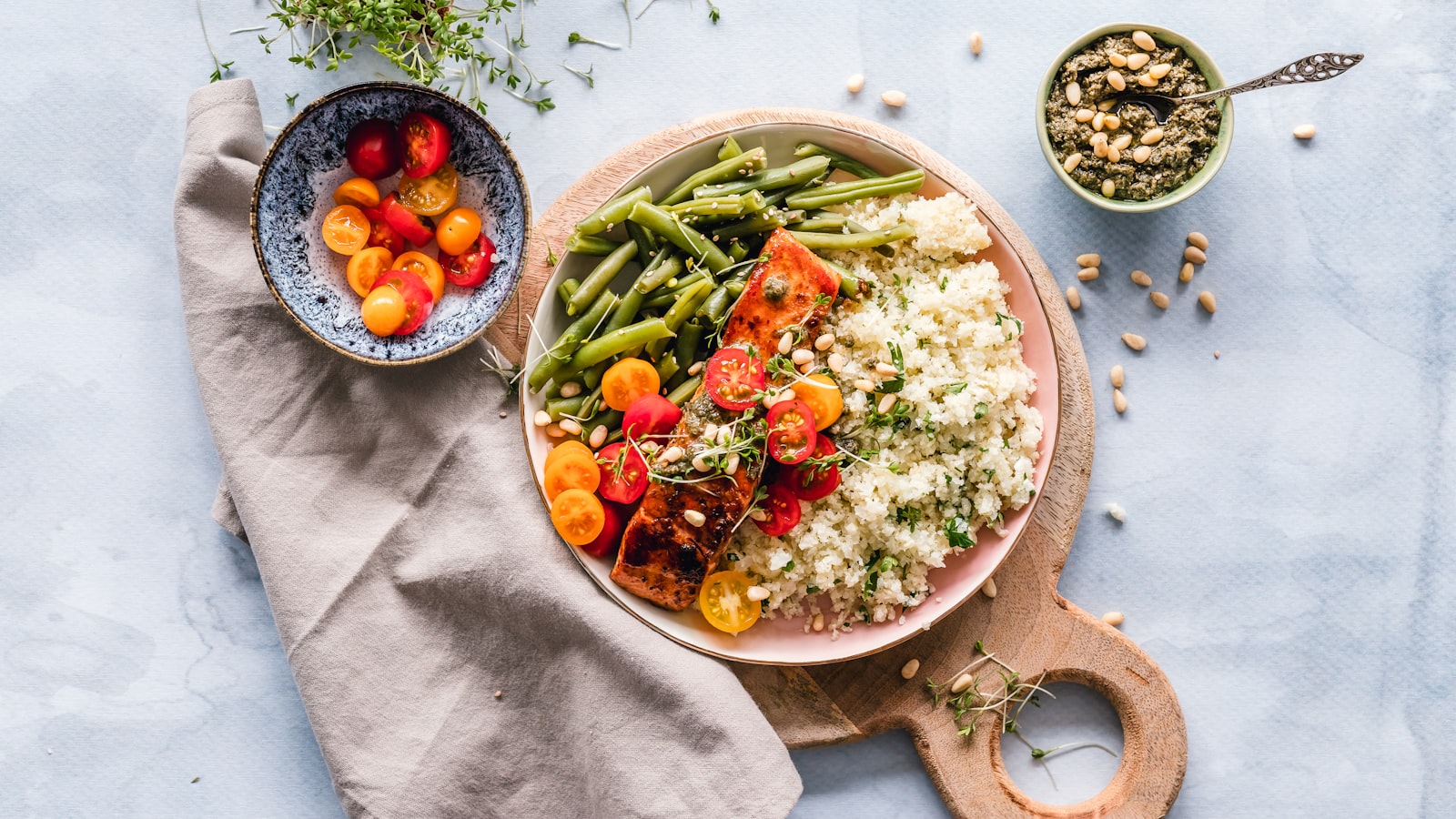
Searing means cooking the surface of food in a hot pan with a little fat until it develops a brown crust. It's the move behind a great steak, crispy-skinned salmon, or golden scallops. The key is a genuinely hot pan and a dry surface on the food — pat your protein dry first, because surface moisture steams instead of browns. Don't crowd the pan, and resist the urge to flip too soon. Let the crust form, and the food will release from the pan on its own when it's ready.
Roast#
Roasting is dry heat in the oven — hot air circulating around the food. It's how you get caramelized vegetables, a burnished chicken, a tray of crispy potatoes. Roasting is forgiving and mostly hands-off, which makes it perfect for weeknights. High temperatures push browning; gentler temperatures cook large cuts evenly. Give your food room on the pan so steam can escape, or you'll end up steaming instead of roasting.
Sauté#
Sautéing is quick cooking over fairly high heat in a small amount of fat, with the food cut small and moved around the pan. Think onions softening, mushrooms browning, greens wilting down. It's fast and lively — the word comes from the French for "to jump," because the food practically dances in the pan. Keep it moving, keep the heat up, and don't walk away.
Wet Heat: Where Tenderness Lives#
Wet-heat methods cook food using water, broth, or steam. There's no browning here, but there's a different reward: gentle, even, moist cooking that won't dry food out. Wet heat is how you cook delicate things without wrecking them and tough things until they surrender.
Boil and Simmer#
Boiling cooks food in vigorously bubbling liquid — pasta, potatoes, eggs, blanched vegetables. It's fast and energetic, but it's also rough, so it's best for sturdy foods. A simmer is the gentler cousin: small bubbles, lower heat, ideal for soups, stocks, and anything you want to cook through tenderly without battering it. Most of the time, a steady simmer is what you actually want, even when a recipe says "boil."
Steam#
Steaming cooks food in the hot vapor above boiling water, never touching the liquid itself. It's the gentlest method there is, and it keeps color, texture, and nutrients intact better than boiling, since nothing leaches out into the water. It's a quiet hero for vegetables, fish, and dumplings — clean, light, and nearly impossible to ruin.
Dry heat asks: how much flavor can I build on the surface? Wet heat asks: how tender can I keep the inside? Great cooks aren't loyal to one — they reach for whichever the ingredient is asking for.
Braise: The Best of Both Worlds#
Now the method that breaks the rules, and the one I'd save your kitchen for if I could only keep one: braising. A braise starts with dry heat — you sear the food hard to build a brown, flavorful crust — and then finishes with wet heat, partly submerging it in liquid to cook low and slow, often for hours.
This combination is alchemy. The sear gives you deep flavor; the long, moist simmer melts tough, cheap cuts into something fork-tender. Pot roast, short ribs, braised chicken thighs, a big pot of beans — these are braises, and they're some of the most satisfying food you can make. The technique is also wonderfully patient. Once it's in the pot, it mostly cooks itself while you get on with your evening.
How to Choose#
Here's the shortcut I use, and it almost never fails:
- Tender, quick-cooking ingredient? Reach for dry heat — sear, sauté, or roast — to add flavor and color.
- Delicate ingredient you don't want to dry out? Use wet heat — steam or a gentle simmer.
- Tough, cheap cut with lots of connective tissue? Braise it low and slow until it gives in.
- Want maximum flavor and tenderness? Combine them: brown first, then finish in liquid.
The ingredient tells you what it needs once you know how to listen. A thick pork shoulder is begging to be braised. A handful of green beans wants a quick steam or a hot sauté. A steak wants a screaming-hot sear and nothing else.
A Word on Doneness and Safety#
Whatever method you choose, cooking meat, poultry, eggs, and seafood to a safe internal temperature matters more than any technique. Color and time are useful cues, but they lie — a food thermometer is the only way to know for certain, especially with poultry, ground meats, and large roasts. When you're done cooking, refrigerate leftovers promptly, and keep raw proteins separate from ready-to-eat foods so juices never cross over.
Learn these two families and the methods inside them, and recipes stop being instructions you follow blindly. They become choices you understand. You'll look at an ingredient, picture the result you want, and know exactly which kind of heat will get you there. That's not chef magic — it's just knowing the map. Now go cook something, and pay attention to what the heat is doing. That attention is the whole lesson.