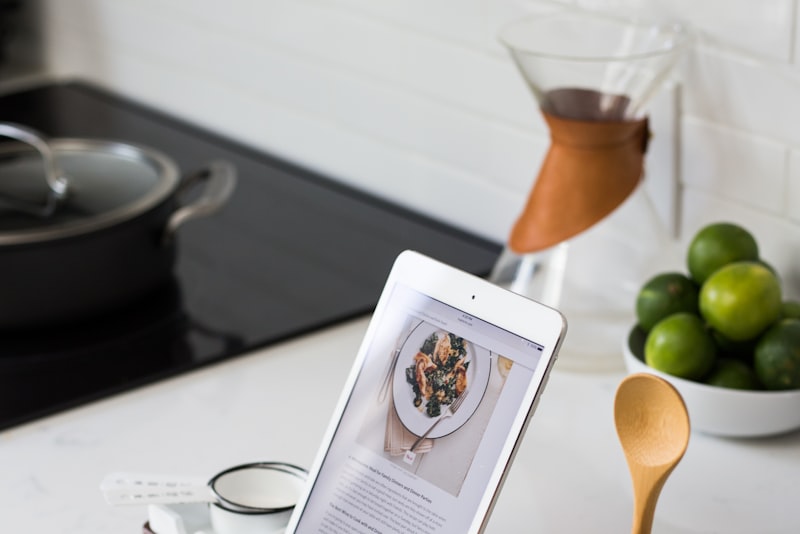
Baking feels intimidating because it looks like chemistry, but a few simple habits — reading the whole recipe, weighing, and warming your ingredients — make it forgiving and friendly.
 Priya Raman

Real bread asks for only four ingredients and a willingness to wait. Here's a friendly walk through what flour, water, salt, and yeast actually do — and why time does most of the work.
Priya Raman

A flat, dense cake almost always has a findable cause — old leavening, an overmixed batter, a lying oven. Here's how to diagnose what went wrong without blaming yourself.
Priya Raman
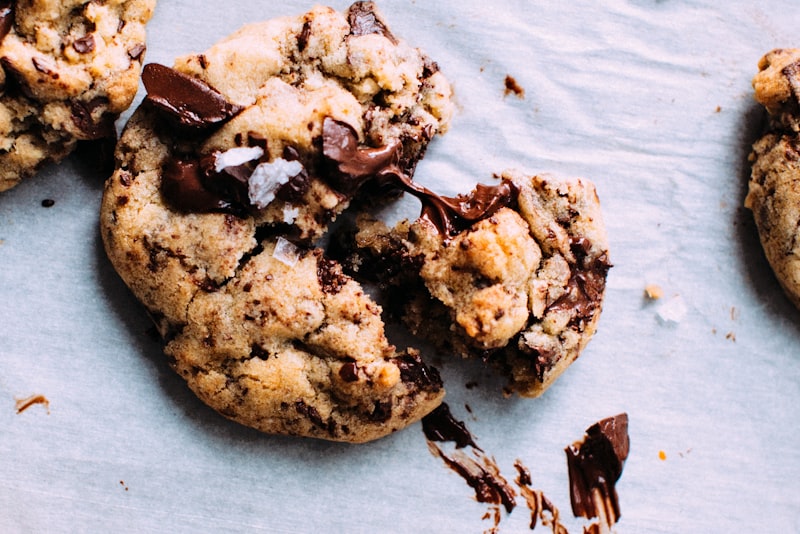
Cups are inconsistent in ways that quietly ruin bakes. A simple kitchen scale gives you the one thing baking craves — consistency — and getting started takes about five minutes.
Priya Raman
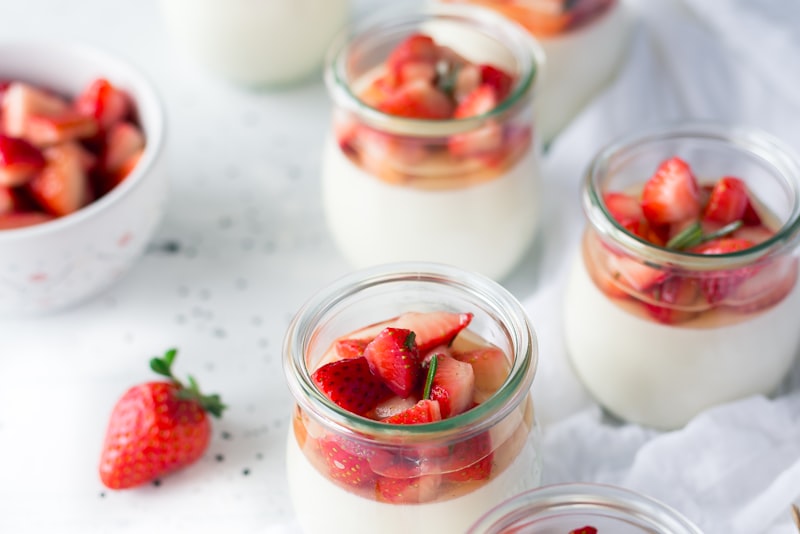
Chewy or crisp, thick or thin — a cookie's texture comes down to a few adjustable levers: butter temperature, sugar choice, chilling, and bake time. Learn to dial them in.
Priya Raman
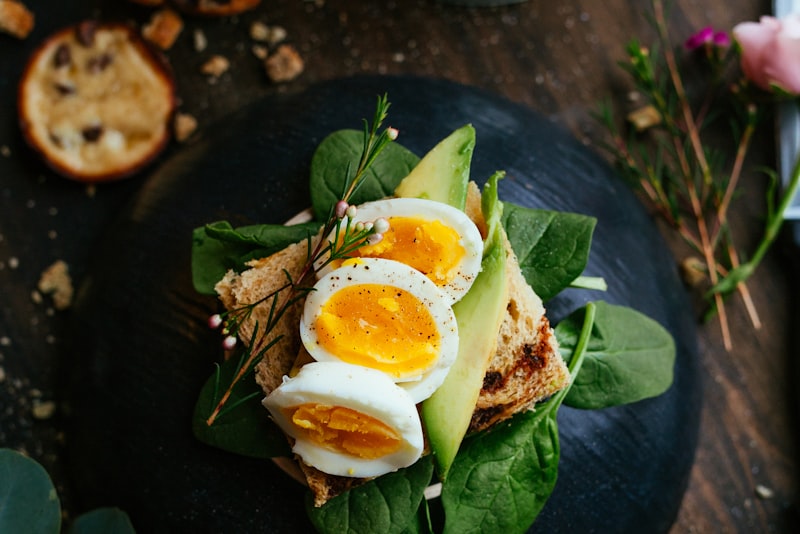
Flour, sugar, fat, eggs, leavening, salt — every core baking ingredient has a job. Understand those jobs and substitutions stop being guesswork and start making sense.
Priya Raman

No-knead bread is the gentlest way into real baking: a slack dough, a long slow rise, and a screaming-hot pot turn four ingredients into a bakery-worthy loaf with almost no effort.
Priya Raman

The best easy desserts lean on a handful of forgiving techniques — no-bake assembly, fruit treated well, and one reliable formula — so you can make something lovely without nerves.
Priya Raman