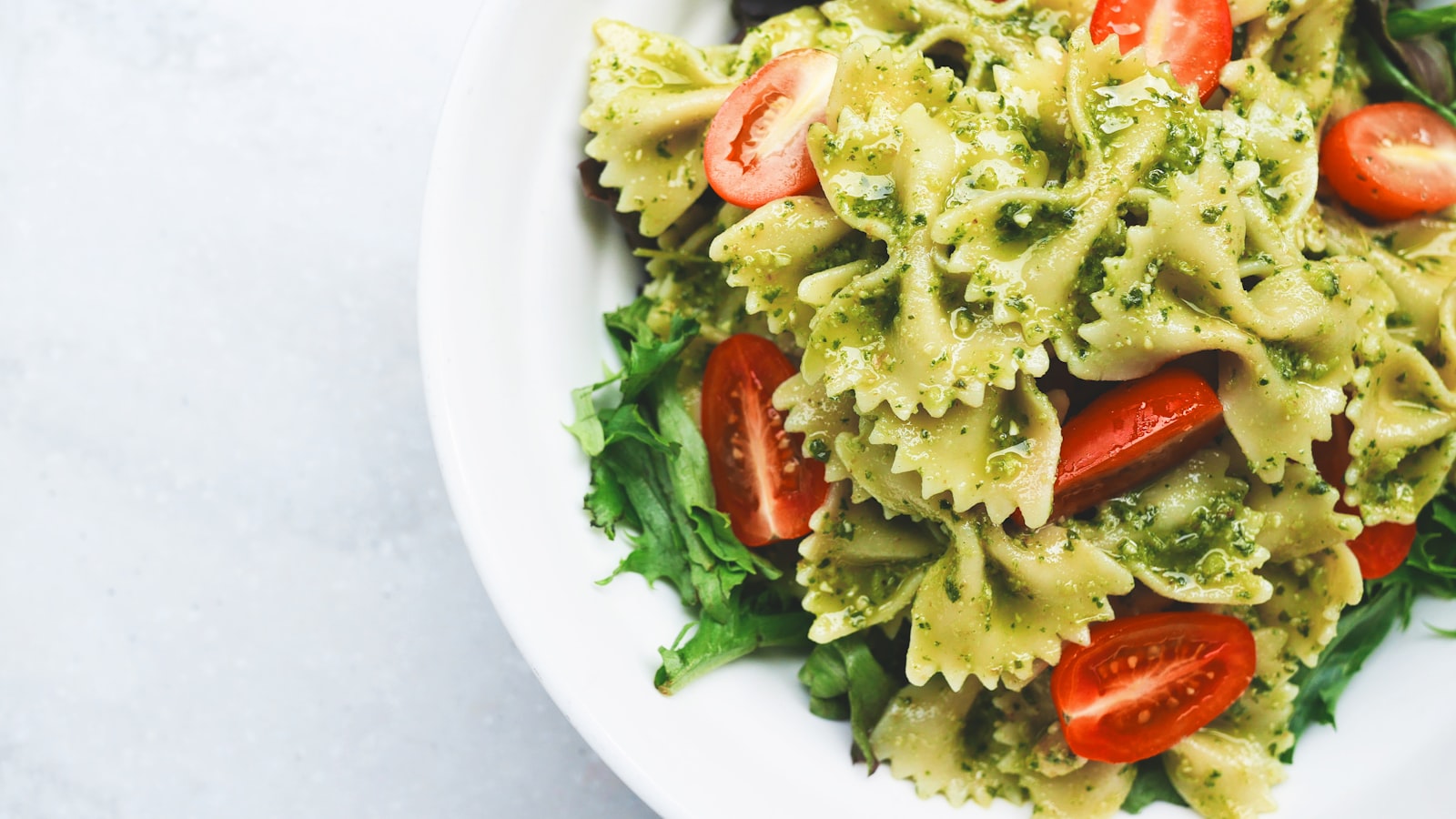
Most home cooks already know how to boil pasta. What separates a flat, watery plate from one that makes you close your eyes on the first bite isn't a secret recipe. It's four small techniques, none of which take extra time, all of which most people skip. I trained in professional kitchens, and I promise you the pasta we sent out wasn't built on some elaborate sauce. It was built on these moves, done every single time.
Forget the strict recipe for a moment. Pasta is technique, and once you own the technique you can make a beautiful plate out of almost nothing: garlic, oil, a little cheese, and the water the pasta cooked in.
Salt the water like you mean it#
This is the one I beg people to take seriously. The water you boil pasta in is the only opportunity you have to season the pasta itself, all the way through. Sauce sits on the outside. Salt in the water goes into the noodle.
People hear "salt the water" and add a timid pinch. That does nothing. You want the water noticeably salty, closer to a well-seasoned soup than the sea. Add it once the water is boiling, give it a stir, then add your pasta. Don't worry about the amount sounding like a lot; the pasta only absorbs a fraction, and the rest goes down the drain.
Salt is the difference between pasta that tastes like something and pasta that tastes like nothing with sauce on top. If you fix one habit from this whole piece, fix this one.
Skip the oil in the water, by the way. It does nothing useful and can make sauce slide off later. Just salt, water, and a stir or two to keep things from sticking.
Save the pasta water before you drain#
Here's the move that feels like a magic trick the first time you see it work. Before you drain the pasta, scoop out a mug of the cooking water and set it aside. That cloudy, starchy water is liquid gold.
As pasta cooks, it sheds starch into the water. That starch is an emulsifier; it helps fat and water come together into a glossy, clingy sauce instead of a greasy puddle with a watery layer underneath. A splash of pasta water loosens a sauce that's too thick, tightens one that's too thin, and binds everything to the noodles. You'll use far less of it than you think, but you'll never want to cook pasta without it again.
Reach for that mug before you tip the pot into the colander. Everyone forgets the first few times. Stick a note on the pot if you have to.
Finish the pasta in the sauce#
This is where restaurant pasta is really made. Don't drain your pasta, sauce it on the plate, and call it done. Instead, get your sauce going in a wide pan, drain the pasta a minute shy of done, and move it straight into the sauce with a splash of that reserved water.
Now toss. Hard. Keep it moving over the heat for a minute or two. Two things happen. The pasta finishes cooking right in the sauce, soaking up flavor instead of plain water. And the starchy water, the fat, and the heat work together to emulsify into a silky coating that grips every strand. You can watch it transform from "sauce and noodles sitting next to each other" into one unified, glossy thing.
A simple sauce to practice on#
Try this with the humblest of all: garlic and oil. While the pasta boils, warm a good amount of olive oil in a wide pan over gentle heat with a few cloves of thinly sliced garlic. Let the garlic turn pale gold and fragrant, not brown and bitter. Pull the pasta a minute early, add it to the pan with a splash of pasta water, and toss until glossy. A handful of grated cheese off the heat, a little chopped parsley, done. No tomato, no cream, and it's still one of the best plates of pasta you'll eat.
Don't drown it#
The last mistake, and the most common one I see, is drowning pasta in sauce. A plate of noodles swimming in a pool of red is not the goal. Properly sauced pasta is coated, not submerged. Every strand glistens, and there's no lake at the bottom of the bowl.
Add sauce a little at a time and toss between additions. You can always add more; you can't take it back. When the pasta is evenly slicked and there's just a whisper of sauce pooling, stop. Less sauce, better integrated, beats more sauce sitting separate every time.
A few quick habits that round it all out:
- Use a wide pan, not a deep pot, so the pasta has room to toss
- Pull the pasta a touch before the box time and let it finish in the sauce
- Grate your cheese fresh and add it off the heat so it melts smooth instead of clumping
- Taste before serving and adjust salt or acid; a squeeze of lemon brightens many sauces
Trust your senses#
Every stove runs differently, every brand of pasta cooks at its own pace, and "al dente" is partly personal. So use the box time as a starting point and then bite a piece. It should have a slight, pleasant firmness at the center, not a chalky raw core. The sauce should look glossy and move as one when you tilt the pan. These cues tell you more than any timer.
If you're adding eggs to a sauce like carbonara, keep the pan off direct high heat when they go in so they turn creamy rather than scrambling, and serve it promptly while it's hot. Otherwise there's nothing here to fear.
Salt the water, save the water, finish in the pan, go easy on the sauce. Four habits, no new ingredients, and pasta that genuinely tastes like it came from a good kitchen. Cook it twice this week and these moves will stop feeling like steps and start feeling like the only sensible way to make pasta.