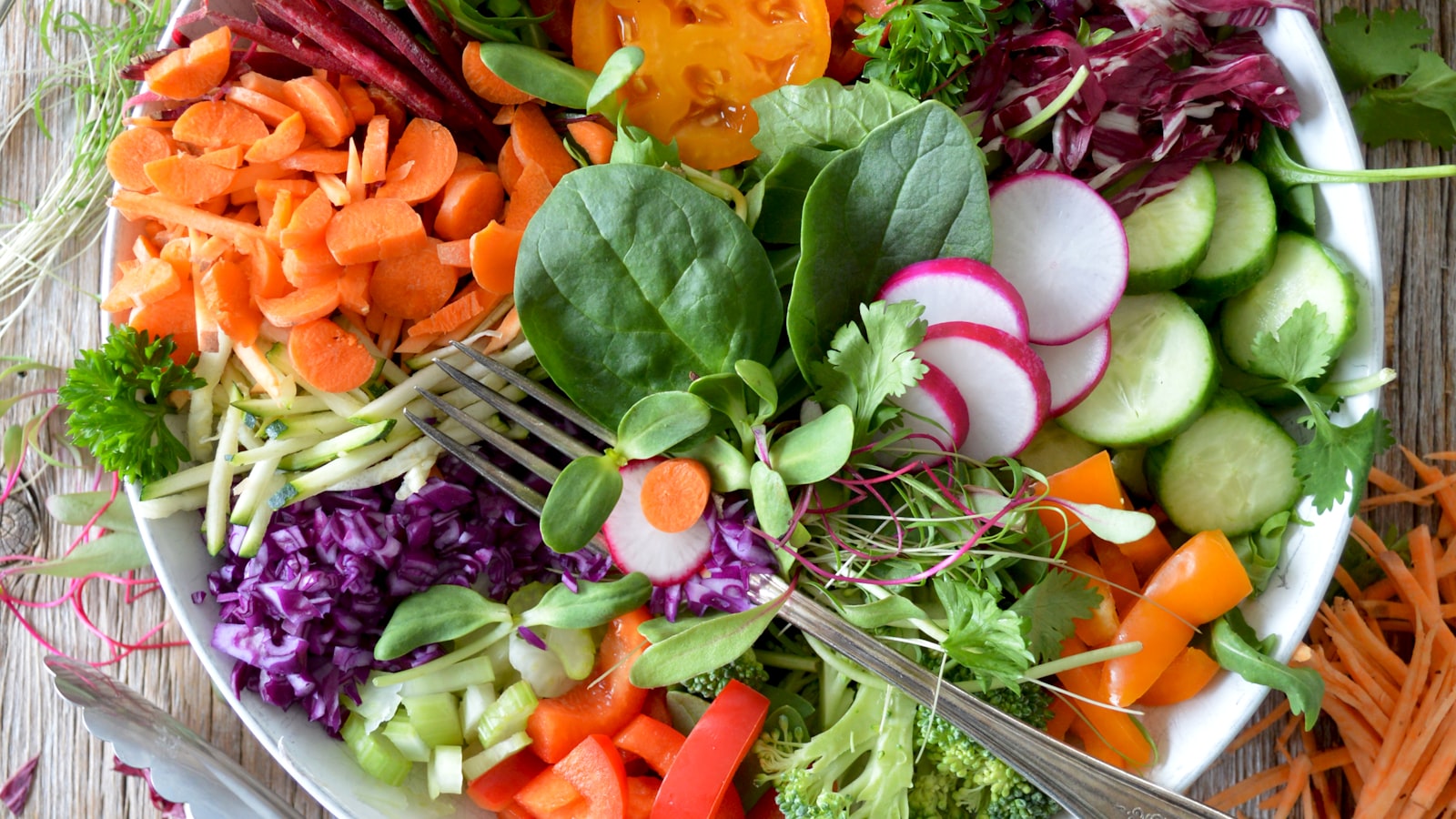
Most people don't dislike vegetables. They dislike bad vegetables: the gray, waterlogged broccoli from childhood, the limp carrot coin sitting in a puddle. I spent years in professional kitchens, and the single biggest shift I bring home is this: vegetables aren't a chore on the plate. Cooked with a little intention, they can be the thing everyone reaches for first.
The good news is you don't need fancy technique. You need heat, a few smart habits, and the confidence to stop following the clock and start tasting.
Roast for caramelization, not just to "cook it through"#
Here's the move that changes everything: high, dry heat. When you roast vegetables hot enough, their natural sugars brown and concentrate. Edges crisp. Flavors deepen and turn almost sweet. That's caramelization, and boiling can never give it to you because water tops out around 212°F and keeps everything soggy.
Crank your oven to 425°F or even 450°F. Cut your vegetables into even pieces so they finish at the same time, toss them in enough oil to coat (more on fat below), and spread them out. The browning you're chasing only happens where vegetable touches hot metal, so contact matters.
A few that reward roasting especially well:
- Broccoli and cauliflower: the florets crisp and the edges go nutty.
- Carrots, parsnips, and beets: roasting concentrates their sweetness.
- Brussels sprouts: halve them, cut-side down, and don't touch them until they're deeply browned.
- Mushrooms: they release water first, then brown beautifully once it cooks off.
Don't crowd the pan (this is the mistake)#
If your roasted vegetables come out pale and floppy instead of browned, the culprit is almost always a crowded pan. Pile everything on too tightly and the moisture each piece releases has nowhere to go. It turns to steam, and now you're steaming your vegetables in their own juices instead of roasting them.
Give every piece a little breathing room and a spot on the metal. A crowded pan steams; a spacious pan caramelizes. That one habit separates restaurant vegetables from sad ones.
When in doubt, use two sheet pans instead of one. It feels like more work, but the payoff is the difference between "fine" and "can we make this every week?"
The same logic applies on the stove. If you're sautéing and the pan looks crowded, cook in batches. A roaring-hot pan with space to spare gives you color; an overloaded one gives you a gray braise.
A related habit helps here: preheat the sheet pan itself. Slide the empty pan into the oven while it comes up to temperature, then add the oiled, seasoned vegetables to the hot metal. That instant contact with a screaming-hot surface jump-starts the browning before the moisture has a chance to gather. It's a small move, but it shaves time off the cook and gives you crisper edges.
Salt, acid, and fat: the trio that finishes the job#
A perfectly cooked vegetable can still taste flat, and the fix usually isn't more cooking. It's seasoning. Three things do the heavy lifting.
Salt seasons from the inside and wakes up flavor. Salt before roasting so it works as the vegetables cook, then taste and adjust at the end. Under-salted vegetables are the most common reason people think they don't like them.
Fat carries flavor and helps with browning. Olive oil is my everyday default, but a knob of butter swirled in at the end of a sauté, or a drizzle of toasted sesame oil over roasted greens, adds richness that makes vegetables feel like a real dish rather than a health obligation.
Acid is the secret weapon almost everyone forgets. A squeeze of lemon, a splash of vinegar, a spoonful of yogurt — acid brightens everything and cuts through richness. Try roasted carrots with a hit of lemon and you'll taste what I mean. It's the same trick that makes a good vinaigrette sing, applied to the vegetable itself.
Add acid at the very end, off the heat. Cooked too long, it loses its lift.
If you want one more layer, finish with something that adds texture or aroma: a handful of toasted nuts, a scatter of fresh herbs, a little grated hard cheese, or a pinch of red pepper flakes. These aren't required, but they turn a plain pan of roasted vegetables into something that feels composed and intentional. Think of salt, fat, and acid as the foundation and these garnishes as the finishing flourish.
Read the cues, not the timer#
Recipes give times, and times are useful as a rough guide. But your oven, your pan, and the size of your cut all vary, so the timer is a starting point, not a verdict. Learn the cues instead.
For roasted vegetables, you want deep browning on the edges and a fork that slides in with just a little resistance — tender but not mushy. For green vegetables like green beans, asparagus, or broccoli, look for a bright, vivid color and a bite that still has snap. The moment they turn drab olive-green, they've gone past their best.
Taste as you go. Pull a piece out, blow on it, eat it. Too firm? Give it a few more minutes. Tender and browned and well-seasoned? It's done, no matter what the recipe claimed. Cooking by cue is a skill that builds fast once you start paying attention, and it makes you a better cook across the board.
One more practical note: equipment and ingredients genuinely vary. A convection oven browns faster. Older, woodier carrots take longer than fresh young ones. A glass pan and a dark metal pan won't behave identically. None of this is a problem once you're cooking by cue rather than by clock — you simply look, poke, and taste, and the variables sort themselves out. Adjust to taste, and don't be afraid to trust yourself.
The reverse is worth knowing too: undercooked vegetables are easy to rescue — just give them more heat — but a vegetable cooked into mush can't be brought back. So when you're unsure, pull a piece early and check. It's far better to err toward firm and add a couple of minutes than to walk away and find a pan of soft, faded disappointment.
Put it on the plate proudly#
So here's the whole game. Get your heat high. Give the vegetables room. Season with salt, lift with acid, enrich with fat. Then judge with your eyes and your fork instead of the clock.
Do that, and the side dish stops being a side dish. Roasted broccoli with lemon and a shower of salt, carrots that taste like candy, Brussels sprouts so crisp people fight over the loose leaves on the pan — that's not health food anyone tolerates. That's the best thing on the table. Make it once with real heat and real seasoning, and you'll never go back to the boiled version again.